
You started your business to do what you love — not to spend hours every week writing and sending emails. But you also know that staying in touch with your customers matters. A lot.
That’s where email automation comes in.
If you’ve been doing email marketing on your own — maybe sending out a newsletter here and there or letting people know about a sale — you’ve already taken the right first step. Email automation just takes what you’re already doing and makes it work harder for you, without requiring more of your time.
Let’s walk through what email automation actually is, why it matters for small and local businesses, and how to get started.
What Is Email Automation, Anyway?
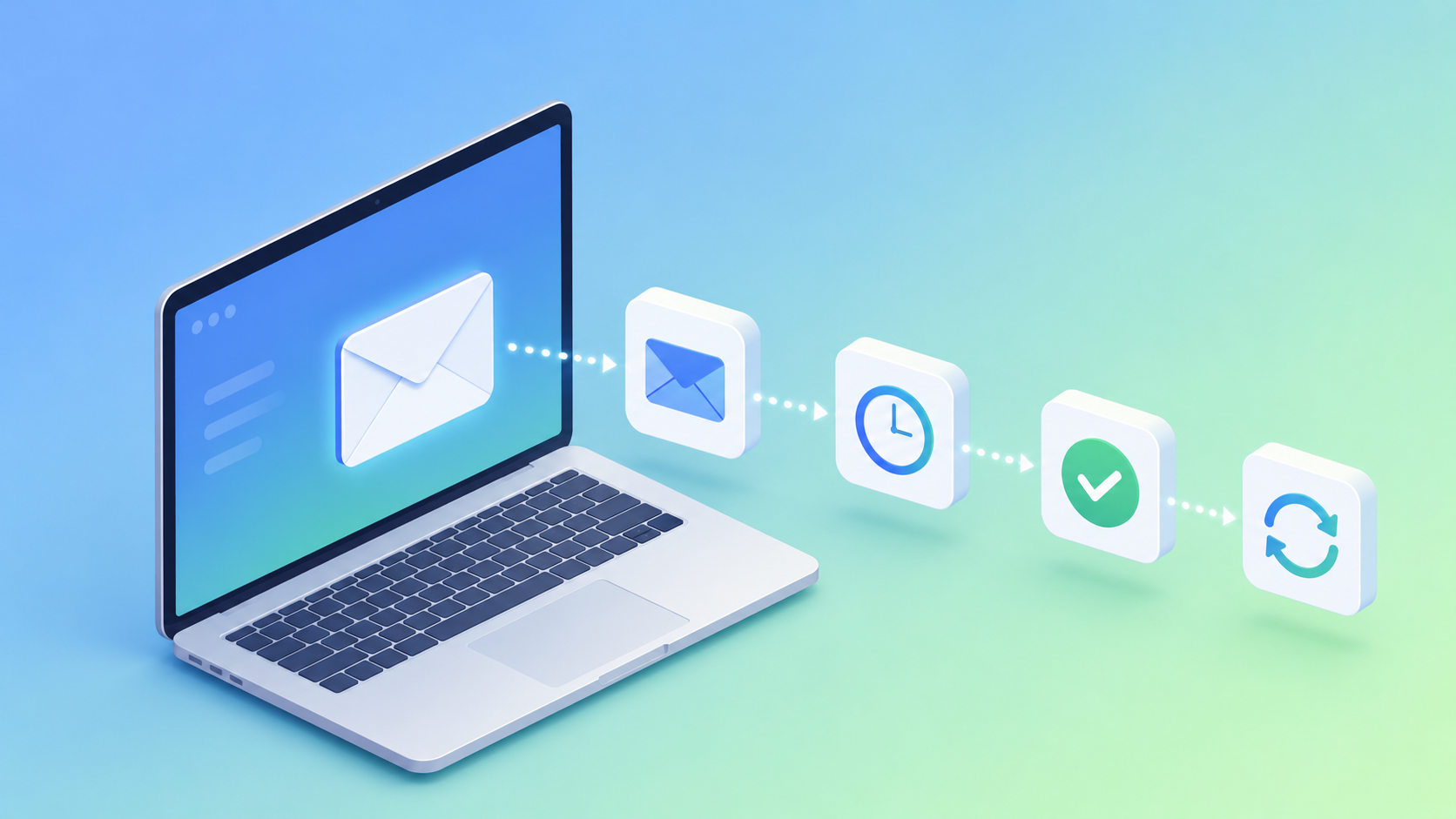
Think of email automation as setting up a series of emails in advance so they go out automatically when something happens — without you having to hit “send” every time.
For example:
- Someone signs up for your email list → they automatically get a welcome email from you
- A customer hasn’t visited or bought in 60 days → they automatically get a “we miss you” email
- A customer makes a purchase → they automatically receive a thank-you and follow-up tips
You write those emails once. Set them up once. And from there, they run on their own in the background while you focus on running your business.
It’s not complicated — it’s just smart.
Why Email Automation Matters for Small Businesses
Here’s something that might surprise you: automated emails drive 37% of all email-generated sales — despite making up only 2% of email volume. That means a small number of well-placed automated emails punch way above their weight when it comes to bringing in revenue.
And the numbers on email marketing as a whole are just as impressive:
- 80% of small and mid-sized businesses say email marketing is their most important tool for keeping customers coming back.
- 59% of consumers say marketing emails influence their buying decisions.
- Customers who buy through targeted email offers spend 138% more than customers who don’t receive them.
- Automated emails generate about 320% more revenue than one-off, non-automated emails.
These aren’t numbers from huge corporations with big marketing teams. These are trends that apply directly to local and small businesses — the kind of businesses that benefit most from having a system that works automatically.
The Types of Automated Emails That Work Best
You don’t need to run dozens of automated campaigns to see results. Even one or two of these can make a real difference:
1. Welcome Emails
When someone gives you their email address, that’s a big deal. They’re interested. A welcome email goes out automatically the moment they sign up, and it’s your chance to make a great first impression.
Welcome emails have an average open rate of 83.6% — far higher than most other email types. People are excited to hear from you right after they sign up. Don’t miss that window.
2. Follow-Up After a Purchase
Did a customer just buy something from you? An automated thank-you email (and maybe a helpful tip about what they just bought) goes a long way in building loyalty and encouraging repeat business.
3. “We Miss You” Emails
If a customer hasn’t heard from you in a while, a simple check-in can bring them back. These re-engagement emails remind people you’re still there and give them a reason to return.
4. Abandoned Cart Emails (for Online Stores)
If you sell products online and someone adds items to their cart but doesn’t complete the purchase, an automated reminder email can recover those sales. Abandoned cart emails have an open rate of over 50% and earn businesses an average of $3.45 in revenue per recipient.
5. Birthday or Anniversary Emails
A quick “Happy Birthday” with a small offer feels personal — even when it’s automated. These emails make customers feel valued and typically perform far above average. Birthday emails generate order values more than 4x higher than average promotional emails.
Email Automation and Customer Retention
Getting new customers is expensive. Keeping the ones you already have is where the real money is.
Email automation is one of the most effective tools for keeping your current customers engaged, loyal, and coming back. In fact, 80% of retail professionals say email marketing is their greatest driver of customer retention.
When your emails go out consistently — welcoming new subscribers, following up after purchases, re-engaging lapsed customers — you stay top of mind. You don’t have to remember to reach out. The system does it for you.
Brand Awareness, Even When You’re Not “Selling”
Not every email has to pitch something. Automated emails that share helpful tips, updates, or behind-the-scenes content build your brand over time. Customers start to recognize your name in their inbox. They trust you more. And when they’re ready to buy — or refer a friend — you’re the first business they think of.
This is especially important for local businesses. Your community wants to support you, but they have to remember you’re there. Consistent, helpful emails make that happen automatically.
The Bottom Line: You Don’t Have to Do It All Yourself
A lot of small business owners avoid email automation because it sounds complicated or technical. It doesn’t have to be.
The right email marketing partner will help you:
- Set up your automated emails so they work from day one
- Write copy that sounds like you (not a robot)
- Make sure your emails actually land in inboxes, not spam folders
- Track results so you know what’s working
At Wired Messenger, we specialize in email marketing built for businesses like yours — local, real, and busy. We make email automation simple so you can focus on what you do best.
Ready to Put Your Email Marketing on Autopilot?
If you’re already sending emails, you’re halfway there. Adding automation means those efforts start working around the clock — following up, nurturing leads, and bringing customers back — even when you’re not at your desk.